


Colorado's New Fire-Resistant Building Codes: What Homeowners Need to Know
If it feels like wildfire season is getting longer every year, you’re not imagining it.
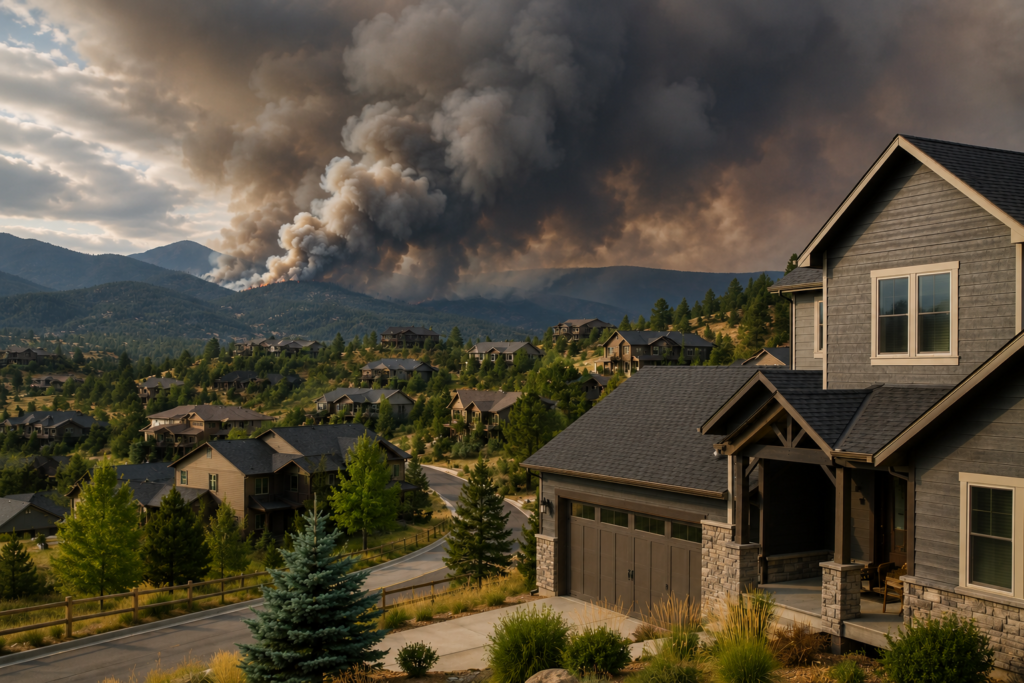
Colorado continues to experience drought conditions, larger wildfire events, and expanding development near natural vegetation. As a result, communities across the state are adopting new wildfire-resiliency standards designed to help homes better withstand wildfire exposure.
The goal isn’t just protecting property. It’s protecting families, neighborhoods, and emergency responders.
What Is the Wildland-Urban Interface (WUI)?
The Wildland-Urban Interface (WUI) is the area where homes and businesses meet or intermingle with undeveloped land and vegetation.
These areas face increased wildfire risk because structures are located near grasses, shrubs, and forests that can fuel a fire. According to the U.S. Fire Administration, millions of Americans now live in WUI areas, making wildfire resilience an increasingly important part of home construction and renovation.
In Colorado, many foothill and mountain communities already fall within WUI zones, but wildfire concerns are expanding well beyond those traditional boundaries.
What Are the New Colorado Wildfire Resiliency Codes?
Colorado developed the 2025 Colorado Wildfire Resiliency Code to provide a framework that local jurisdictions can adopt. The code establishes requirements for building materials, defensible space, and construction practices in wildfire-prone areas.
Each jurisdiction sorts properties into hazard classes based on vegetation, slope, and fire behavior:
✔ Class 1 — lower-risk interface areas
✔ Class 2 — higher-risk intermix areas, with stricter construction requirements
The higher the class, the more your exterior materials are restricted.
Why Exterior Materials Matter
Many homeowners picture a wall of flames reaching their house.
In reality, flying embers are often the biggest threat.
Wind can carry burning embers long distances ahead of a wildfire. These embers can ignite combustible roofing, siding, decks, landscaping, and other vulnerable areas around the home.
That’s why modern wildfire-resiliency standards place significant emphasis on:
- Fire-resistant roofing
- Fire-resistant siding
- Protected vents and openings
- Defensible space around the home
- Reduced combustible materials near structures
The objective is simple: make it harder for a fire to find something to ignite.
How Siding Plays a Major Role
Your siding is one of your home’s largest exterior surfaces.
Traditional combustible materials can be vulnerable to heat, flames, and wind-driven embers. New wildfire-resiliency standards increasingly favor noncombustible or ignition-resistant building materials designed to reduce fire risk.
This is one reason many Colorado homeowners are choosing James Hardie® fiber cement siding.
Benefits of Fiber Cement Siding
- Noncombustible material
- Won’t ignite when exposed to flying embers
- Stands up to
- Colorado weather, include hail, window & freeze thaw cycles.
- Resists rot, pests, and moisture
- Available in a wide range of colors and styles
- Helps meet wildfire-resiliency requirements in many applications
Beyond fire resistance, homeowners often appreciate the long-term durability and low maintenance compared to many traditional siding products.
Is Your Home Affected?
Not every home will automatically be subject to new wildfire-resiliency requirements.
Requirements depend on:
- Your local jurisdiction
- Your property’s wildfire hazard designation
- The type and scope of your project
- Whether you’re replacing roofing, siding, or making major exterior improvements
As more Colorado communities adopt wildfire-resiliency standards, homeowners planning exterior projects should understand how local requirements may affect material choices.
Simple Steps Homeowners Can Take Today
Even if your home isn’t currently subject to wildfire-resiliency codes, there are practical steps you can take:
✔ Keep roofs and gutters free of debris
✔ Trim vegetation away from the home
✔ Remove combustible materials near exterior walls
✔ Maintain defensible space around structures
✔ Upgrade aging roofing materials when replacement is needed
✔ Consider fire-resistant siding during future remodeling projects
We’re Here to Help
Whether you’re replacing old siding, upgrading your roof, or simply exploring options to better protect your home, our team can help you understand today’s products and how they align with Colorado’s evolving building requirements.
If you’re wondering whether your home’s exterior materials are helping—or hurting—your wildfire resilience, we’d be happy to provide a no-obligation evaluation.
Schedule your free exterior assessment today and learn how modern roofing and siding products can help protect your Colorado home for years to come.